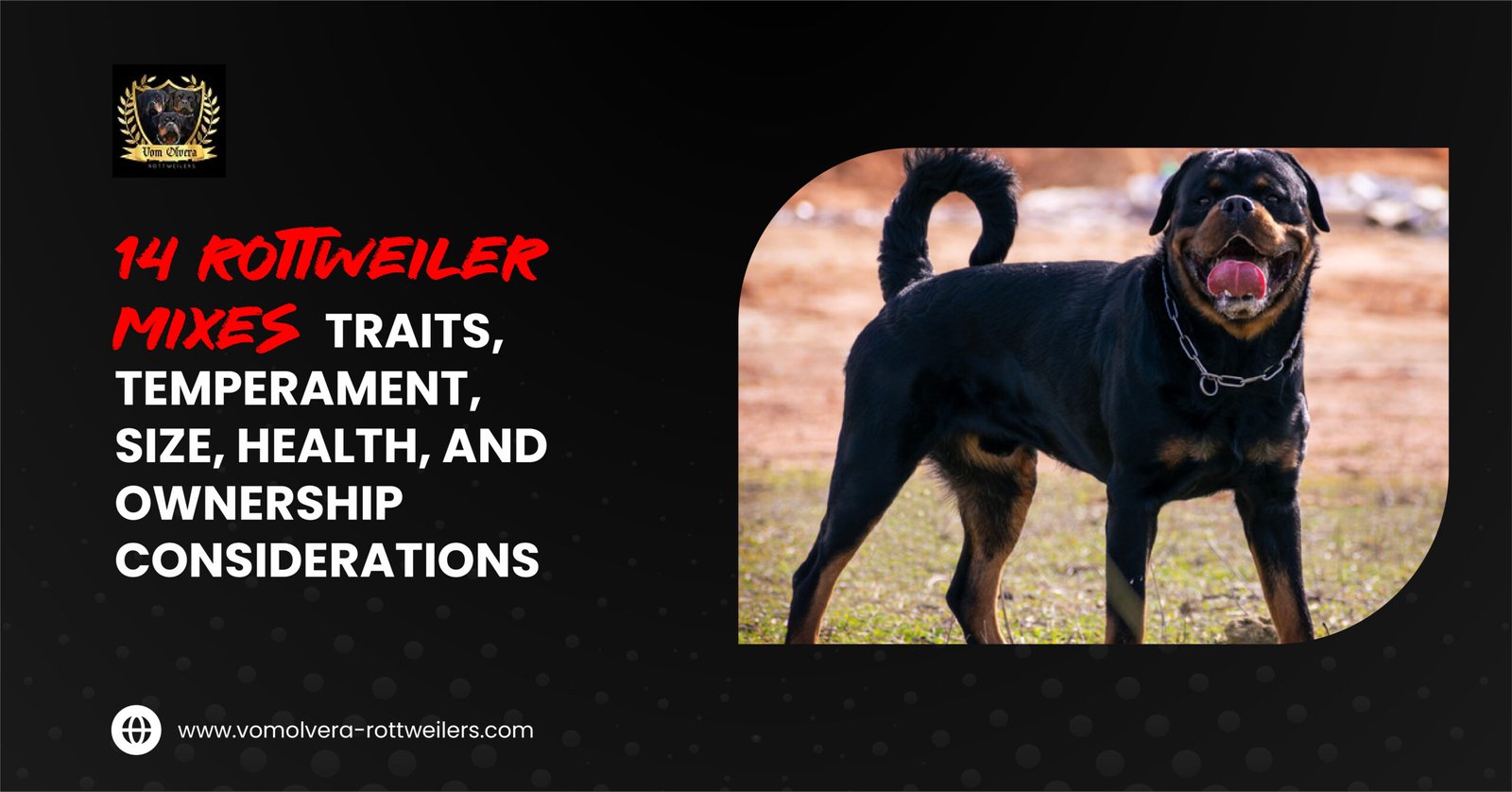
Rottweiler mixes are dogs that result from crossing a Rottweiler with another breed. These mixes have gained attention due to their wide range of physical traits, temperaments, and suitability for different lifestyles. While purebred Rottweilers are often associated with strength, loyalty, and protective instincts, mixed-breed variations can significantly alter these characteristics. The outcome depends on genetics, early socialization, training, and environment.
This guide provides a structured, informational overview of fourteen commonly discussed Rottweiler mixes. It examines how these mixes differ in size, appearance, behavior, health risks, exercise needs, and family compatibility. The goal is to help readers understand what to realistically expect from a Rottweiler mix before adopting or purchasing one.
What Is a Rottweiler Mix?
A Rottweiler mix is a dog that has one Rottweiler parent and one parent from another breed, or a dog descended from multiple generations of mixed ancestry that includes Rottweiler lineage. These dogs may be intentionally bred or the result of accidental breeding.
Unlike purebred dogs, mixed-breed dogs do not have standardized traits. Physical appearance, behavior, and health outcomes can vary widely even among littermates. While genetic diversity may reduce the likelihood of certain inherited disorders, it does not eliminate health or behavioral risks. Understanding variability is essential when considering any mixed breed.
Understanding mixed breeds starts with understanding the purebred foundation. Explore our carefully selected male Rottweilers known for stable temperament, correct structure, and working lineage.
The 14 Most Commonly Referenced Rottweiler Mixes
1. Rottweiler × Husky (Rottsky)
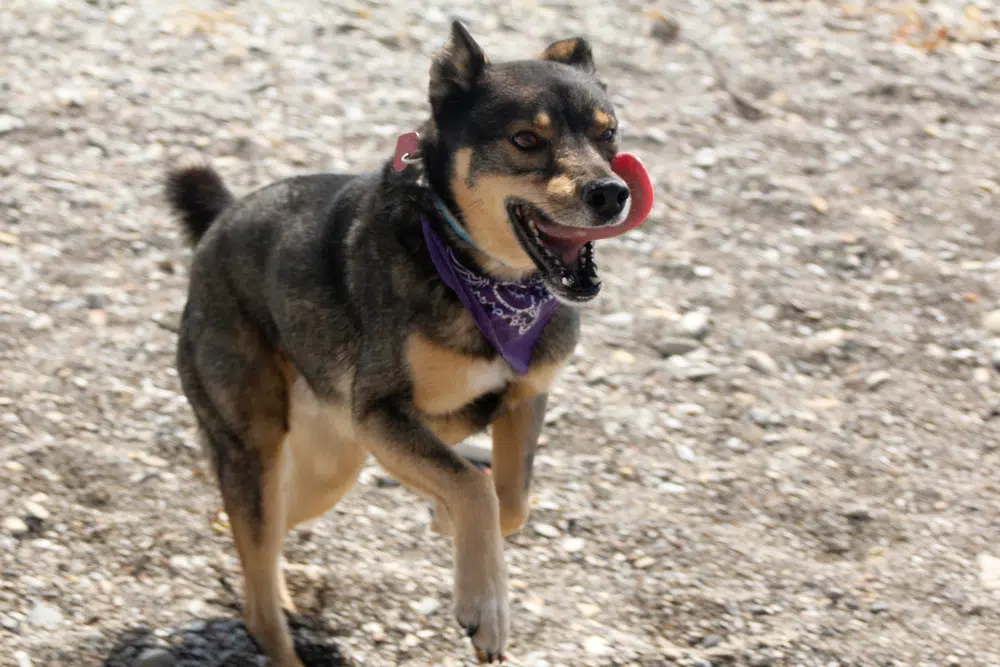
The Rottsky is typically a medium-to-large dog with high energy levels. This mix often inherits the Husky’s endurance and independence along with the Rottweiler’s protective tendencies. Rottskies usually require daily physical activity and mental stimulation. Without sufficient exercise, they may develop destructive behaviors. Coat thickness and shedding levels vary depending on Husky influence.
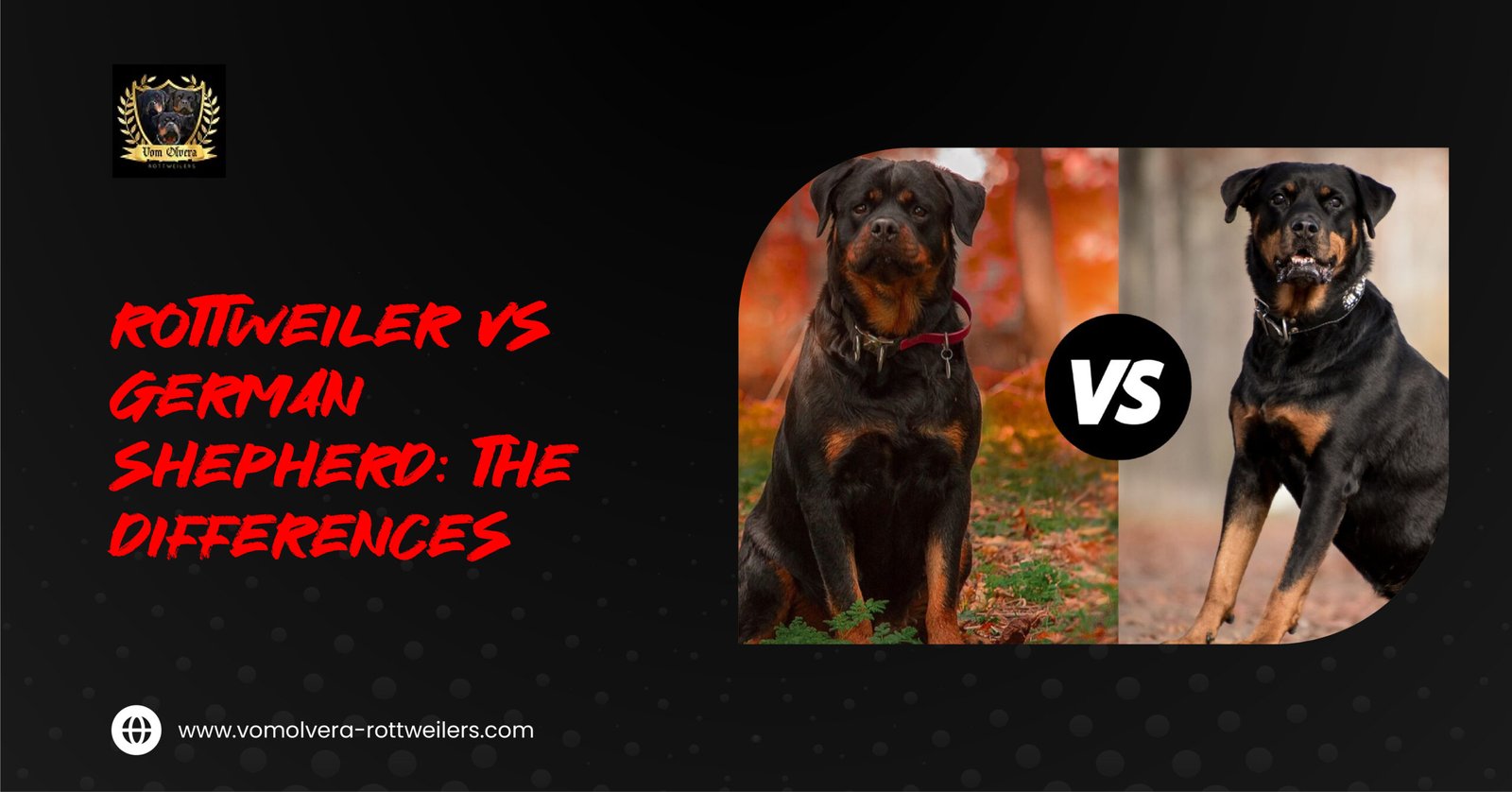
2. Rottweiler × German Shepherd
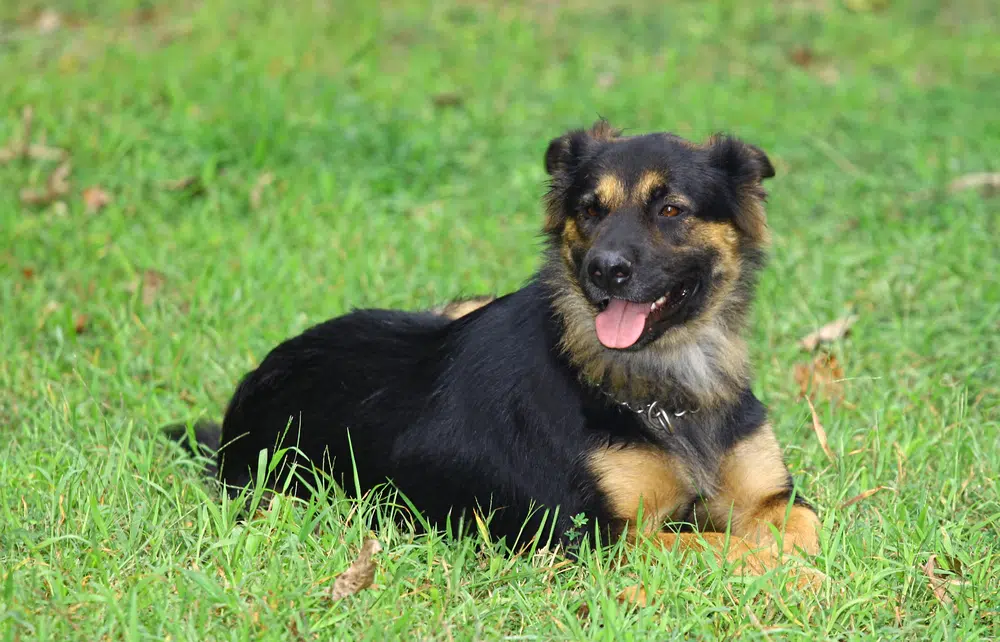
This mix is frequently associated with working and protection roles. Dogs from this cross tend to be intelligent, alert, and highly trainable. They often form strong bonds with their handlers and may show strong guarding instincts. Structured training and early socialization are critical to ensure balanced behavior.
3. Rottweiler × Boxer (Boxweiler)
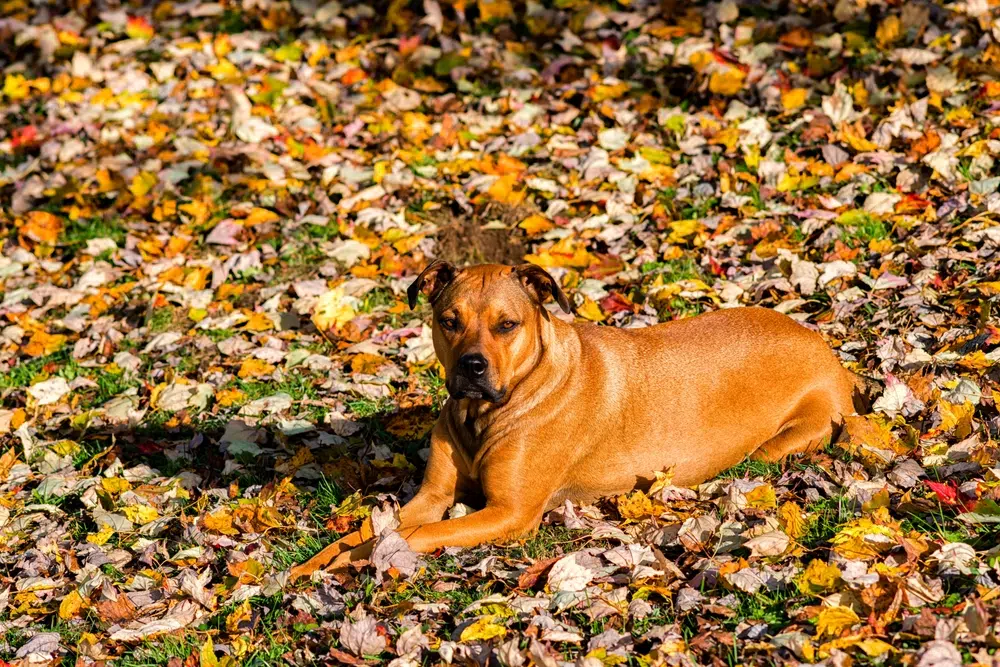
Boxweilers are muscular, energetic dogs known for playfulness and strength. They may retain the Boxer’s sociable personality while inheriting the Rottweiler’s loyalty and alertness. This mix usually benefits from consistent exercise and training to manage enthusiasm and physical power.
4. Rottweiler × Golden Retriever
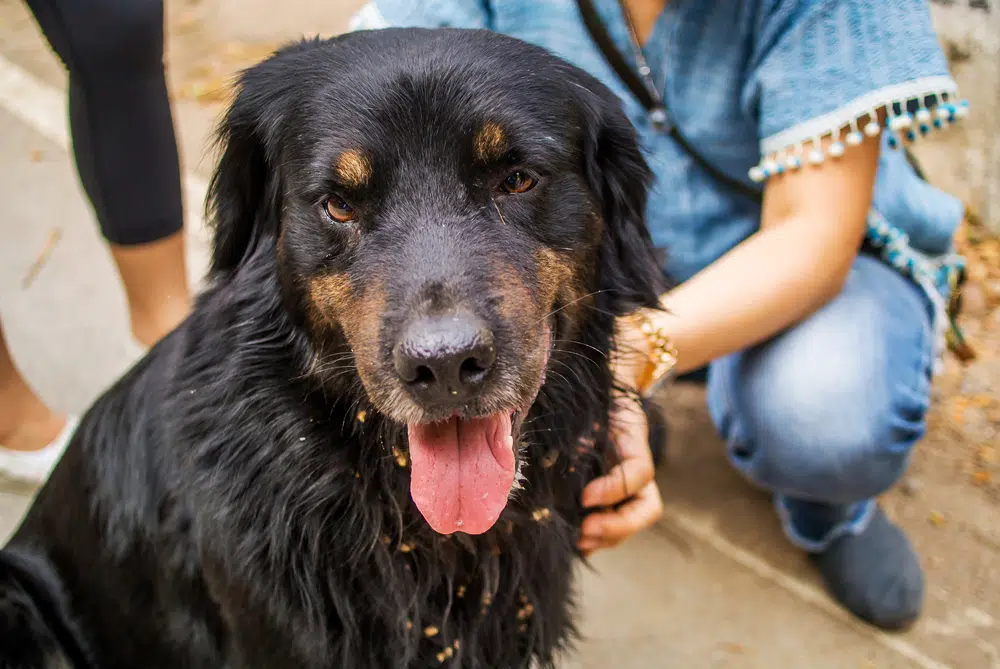
This mix often exhibits a calmer and more family-oriented temperament compared to other Rottweiler mixes. Golden Retriever traits may contribute to sociability and patience, while Rottweiler traits add confidence and protectiveness. Outcomes vary, but many dogs from this mix adapt well to family environments.
5. Rottweiler × Labrador Retriever

The Labrador influence often increases friendliness and adaptability. These dogs may be easier to socialize and train than some other Rottweiler mixes. However, they still require regular exercise and benefit from structured routines. Weight management is important due to the risk of obesity from both parent breeds.
6. Rottweiler × Pit Bull (Pitweiler)
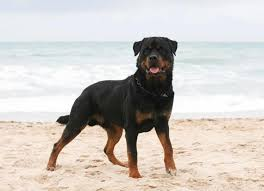
Pitweilers are athletic and strong dogs. Behavior depends heavily on training, early socialization, and environment. When properly raised, many Pitweilers are stable and affectionate. Without structure, they may develop behavioral challenges due to strength and high drive.
7. Rottweiler × Doberman
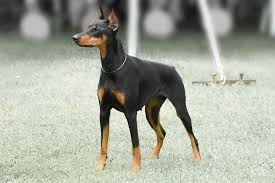
This mix is typically leaner and highly alert. Dogs from this cross often show strong territorial instincts and may bond closely with one or two people. They are generally not recommended for inexperienced owners due to their need for firm, consistent training.
8. Rottweiler × Mastiff (Mastweiler)
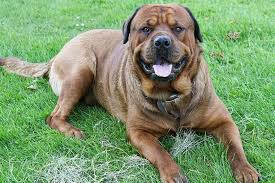
Mastweilers are large to giant dogs, often exceeding 100 pounds. Despite their size, many are calm and low-energy indoors. However, joint care, controlled exercise, and adequate space are essential. Early obedience training is important due to physical strength.
9. Rottweiler × Cane Corso (Rotticorso)
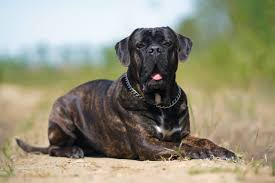
This mix is powerful and best suited for experienced owners. Dogs from this cross often show strong guarding behavior and territorial awareness. Early socialization and firm but humane training are necessary to prevent behavioral issues.
10. Rottweiler × Poodle
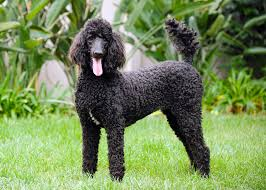
This mix can vary widely in appearance and coat type. Some inherit low-shedding coats, while others shed heavily. Intelligence levels are often high, making training more manageable. Grooming requirements depend on coat characteristics.
11. Rottweiler × Beagle
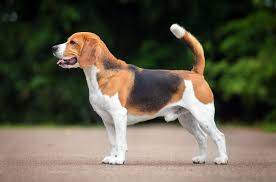
This smaller-to-medium mix often displays curiosity and scent-driven behavior. Beagle influence may increase vocalization and independence. These dogs usually require consistent training to manage distractions during walks.
12. Rottweiler × Chihuahua (Rotthuahua)

This is an uncommon mix with significant size and temperament variability. Dogs from this cross may inherit bold personalities in smaller frames. Careful supervision is required due to physical differences and potential behavioral extremes.
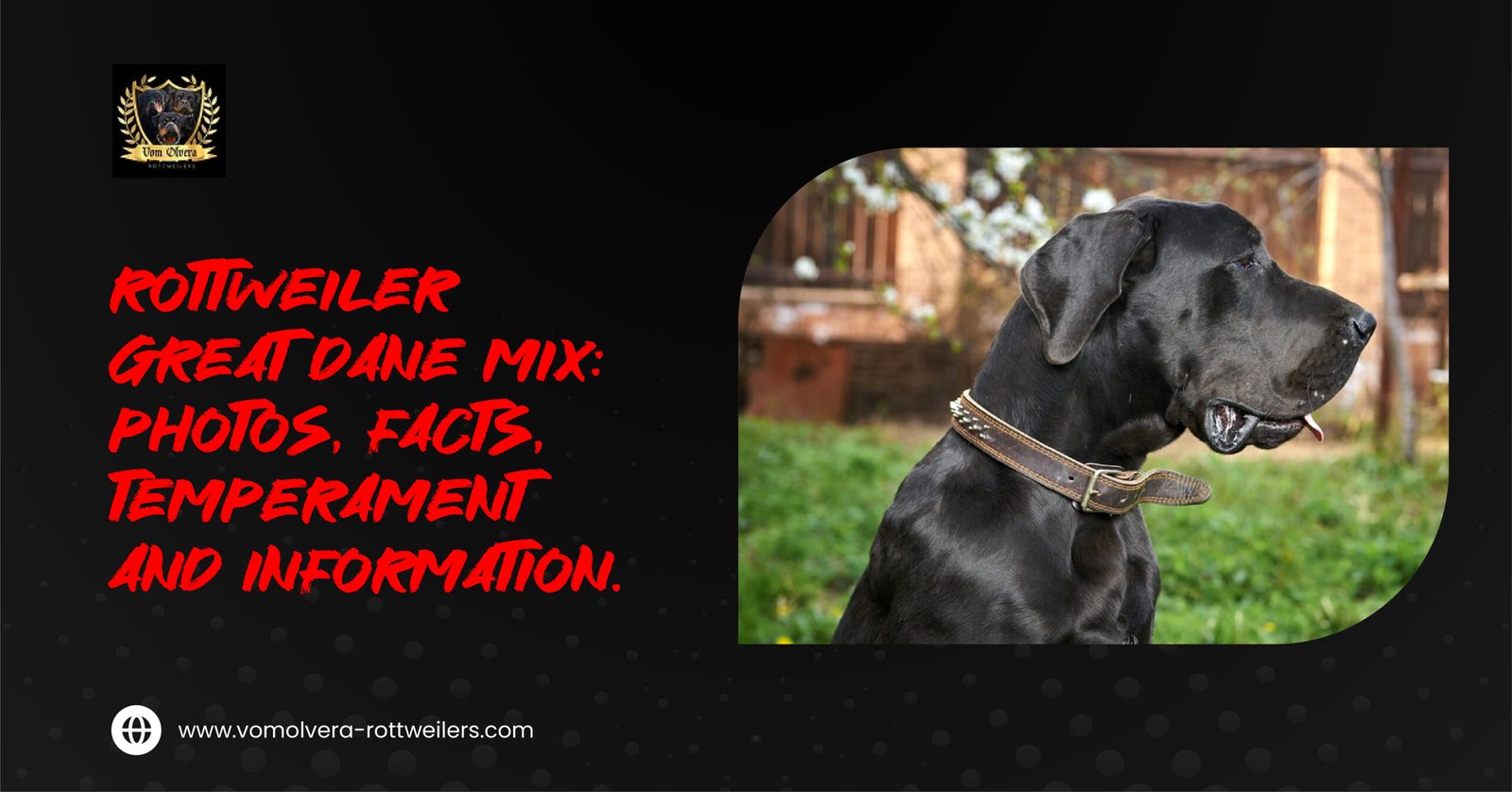
13. Rottweiler × Great Dane
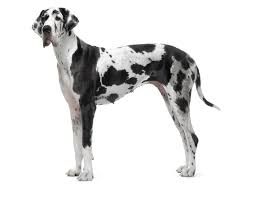
This giant mix tends to mature slowly and requires long-term joint and bone care. Many are calm and gentle but require substantial space and financial commitment for food and veterinary care.
14. Rottweiler × Working-Line Shepherd
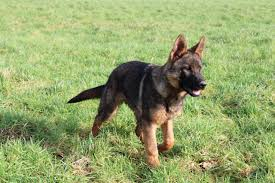
Often bred for utility purposes, these dogs typically exhibit high drive, intelligence, and endurance. They require experienced handling, structured training, and consistent engagement.
Size, Weight, and Appearance Differences
Rottweiler mixes range dramatically in size. Smaller mixes may weigh under 25 pounds, while giant mixes can exceed 130 pounds. Coat types vary from short and smooth to long and dense. Color patterns commonly include black and tan, brindle, brown, or mixed markings.
Physical variation is especially common in first-generation mixes. Even dogs from the same litter may differ in height, build, and coat texture. Prospective owners should be prepared for unpredictability.
Temperament and Behavioral Traits
Most Rottweiler mixes share a foundation of loyalty, alertness, and confidence. However, temperament depends heavily on the second breed and early life experiences. Some mixes are calm and people-oriented, while others are highly energetic and independent.
Protective instincts are common but should not be confused with aggression. Without proper training and social exposure, some dogs may develop excessive guarding behavior. Early obedience training and controlled socialization significantly reduce behavioral risks.
Many behavioral traits seen in Rottweiler mixes originate from maternal influence. Learn more about our female Rottweilers that form the backbone of responsible breeding programs.
Health Considerations in Rottweiler Mixes
Common health concerns include hip and elbow dysplasia, heart conditions, joint degeneration, and obesity. Larger mixes may be at increased risk for bloat and mobility issues. Smaller mixes may experience dental problems or patellar issues.
Mixed-breed dogs may benefit from genetic diversity, but this does not guarantee freedom from inherited disorders. Preventive veterinary care, weight management, and appropriate exercise are essential for long-term health.Exercise and Mental Stimulation Requirements
Most Rottweiler mixes require regular physical activity and mental engagement. High-energy mixes may need long walks, structured training sessions, and interactive play. Insufficient stimulation often leads to boredom-related behaviors such as chewing or excessive barking.
Mental stimulation through obedience training, scent work, or puzzle toys plays a key role in maintaining behavioral stability.
Training and Socialization Needs
Training should begin early and continue throughout the dog’s life. Positive reinforcement methods are generally effective. Clear boundaries, consistency, and patience are important, particularly for strong or independent mixes.
Socialization with people, animals, and varied environments helps prevent fear-based behaviors. Exposure should be gradual and positive.
Family Compatibility
Many Rottweiler mixes can thrive in family environments when properly trained. Due to size and strength, supervision around children is recommended. Compatibility with other pets depends on individual temperament and early exposure.
Families with active lifestyles may be better suited for higher-energy mixes, while calmer households may prefer lower-energy combinations.
Living Environment Considerations
Large or high-energy Rottweiler mixes generally require ample space. Apartment living may be possible for calmer mixes if exercise needs are consistently met. Noise sensitivity, breed restrictions, and insurance considerations should also be evaluated.
Choosing the Right Rottweiler Mix
Selecting a Rottweiler mix should involve an honest assessment of lifestyle, experience level, time availability, and physical space. Meeting the dog before adoption provides valuable insight into temperament and energy level.
Breed popularity should not outweigh practical considerations such as training commitment and long-term care costs.Adoption Versus Purchasing
Many Rottweiler mixes are available through shelters and rescue organizations. Adoption allows prospective owners to assess temperament and behavior before commitment. Ethical breeders should provide health screenings and transparency.
Puppy mills and unverified sellers should be avoided due to health and welfare concerns.
If you’re planning future ownership and comparing traits, temperament, or size, view our available Rottweiler puppies raised with health, structure, and temperament in mind.