Rottweilers are widely recognized for their strength, loyalty, and confident demeanor. One visible feature, however, often raises questions among dog owners and prospective adopters: the presence or absence of a tail. Some Rottweilers have long, natural tails, while others appear tailless. This difference is not genetic but the result of a human decision known as tail docking.
This article provides an objective comparison of Rottweilers with tails versus Rottweilers without tails. It examines anatomy, behavior, communication, health considerations, legal status, ethical debates, and practical ownership factors. The purpose is to help readers understand what the difference truly means—and what it does not—when evaluating or caring for a Rottweiler.
Are Rottweilers Born With Tails?
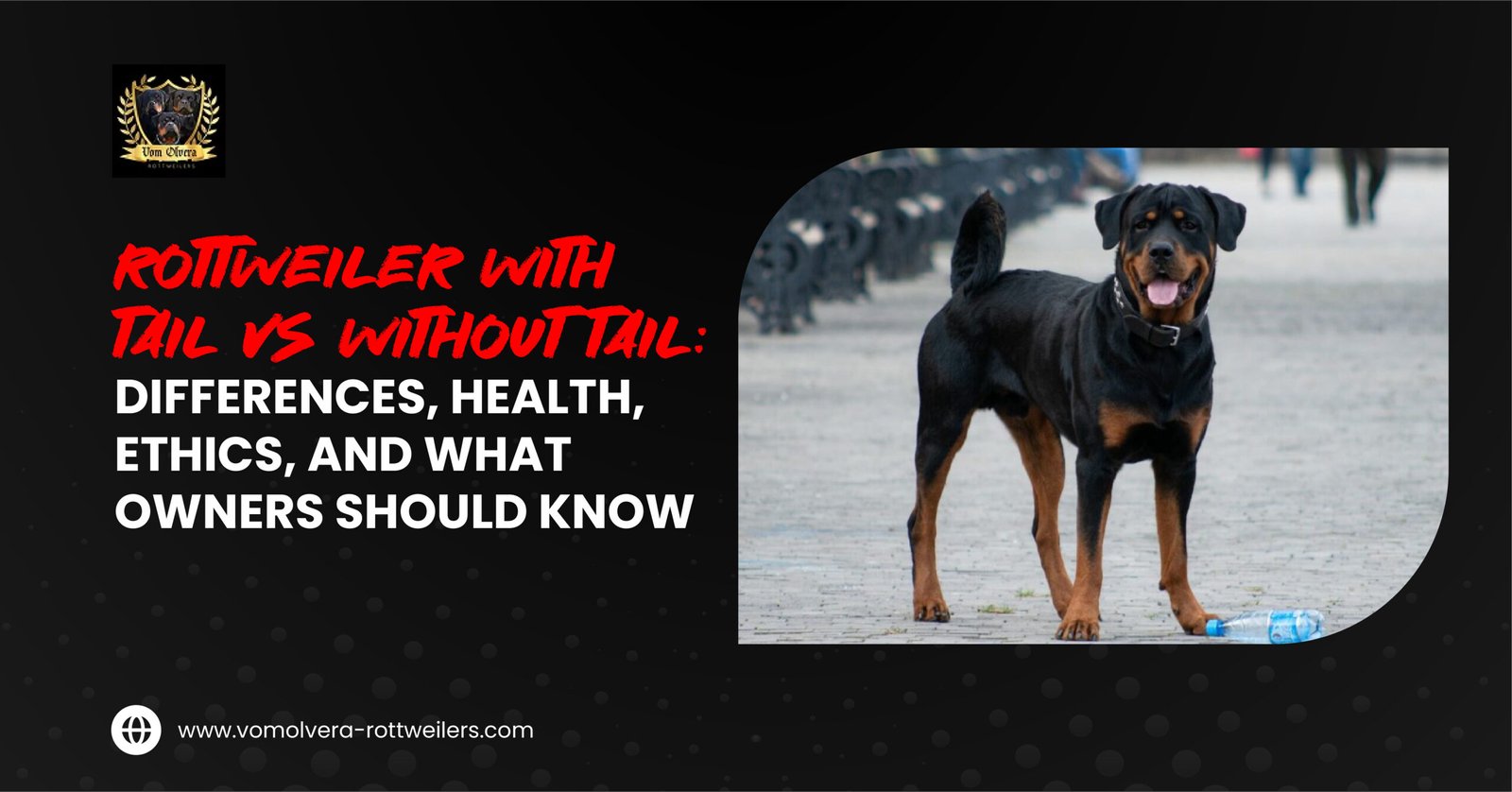
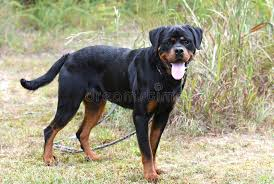
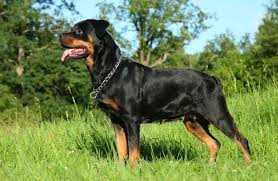
Yes. All Rottweilers are naturally born with tails. A Rottweiler without a tail has undergone tail docking, a surgical procedure typically performed within the first few days of life. There is no naturally bob-tailed Rottweiler gene comparable to those found in some herding breeds.
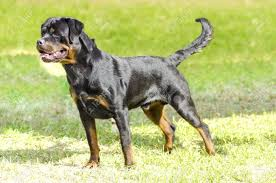
A natural Rottweiler tail is thick at the base, tapers toward the tip, and is usually carried level with the back or slightly curved. Its appearance is consistent with the breed’s strong, balanced body structure.
What Is Tail Docking?
Tail docking is the partial or complete removal of a dog’s tail, usually performed when puppies are between two and five days old. The procedure involves cutting through skin, muscle, nerves, cartilage, and in some cases bone. Historically, docking was performed without anesthesia, although veterinary standards have evolved.
In modern contexts, tail docking is almost always elective rather than medically necessary. The procedure is now primarily associated with tradition, breed standards, or aesthetic preference rather than functional need for companion animals.
To better understand how modern breeding has evolved beyond tradition, explore our carefully selected male Rottweilers bred with health, structure, and temperament as top priorities.
Why Were Rottweiler Tails Traditionally Docked?
The practice of docking Rottweiler tails originated centuries ago. Common historical explanations include:
- Preventing tail injuries in working dogs used for guarding livestock or pulling carts
- Reducing the risk of tail damage during confrontations
- Beliefs that docking improved hygiene or reduced disease
Over time, docking became incorporated into breed standards, particularly in countries where Rottweilers were showcased in conformation shows. Even as their working roles diminished, the docked appearance persisted as a visual norm.
Physical Differences: With Tail vs Without Tail
From a structural perspective, the tail contributes to balance and movement. Rottweilers with tails often display smoother turning motions and clearer posture changes during movement. Docked Rottweilers may appear more rigid in silhouette, particularly when standing or walking.
The tail also plays a role in body symmetry. Dogs without tails may compensate with increased use of body posture, head position, or vocalization to express emotion.
Does Having a Tail Affect Temperament?
There is no evidence that having or not having a tail changes a Rottweiler’s temperament. Aggression, friendliness, confidence, and trainability are influenced by genetics, early socialization, training methods, and environment—not tail length.
However, dogs with tails may be easier to read. The tail is a major component of canine body language. It communicates:
- Excitement
- Stress or fear
- Confidence or submission
- Playfulness or caution
Removing the tail does not change a dog’s emotions, but it can reduce the clarity of how those emotions are expressed.
Communication and Social Interaction
Canine communication relies heavily on visual signals. A tail helps other dogs and humans interpret intent. Studies in animal behavior suggest that dogs rely on tail movement direction, height, and speed when assessing another dog’s mood.
Rottweilers without tails may still communicate effectively, but misunderstandings can occur more easily—especially in interactions with unfamiliar dogs. This does not make docked Rottweilers dangerous, but it underscores the importance of controlled introductions and socialization.
Pain and Welfare Considerations
Tail docking causes acute pain. The tail contains nerves and blood vessels, and its removal is a surgical amputation. Puppies may vocalize less than adult dogs, but this does not indicate absence of pain.
Potential short-term risks include:
- Infection
- Improper wound healing
- Excessive bleeding
Possible long-term effects include:
- Neuroma formation (painful nerve endings)
- Altered sensation
- Increased sensitivity at the dock site
For these reasons, many veterinary and animal welfare organizations oppose routine docking when no medical justification exists.
Health Risks: Docked vs Natural Tails
Supporters of docking often cite tail injury prevention. While tail injuries can occur—particularly in working or highly active dogs—studies indicate that such injuries are relatively uncommon in companion animals.
Docking does not appear to offer a measurable health advantage for pet Rottweilers. Conversely, it introduces guaranteed surgical trauma at an early developmental stage. For most family dogs, leaving the tail intact does not increase health risk.
Legal Status of Tail Docking Worldwide
Laws regarding tail docking vary significantly by region.
In many countries, tail docking is:
- Banned or restricted except for medical reasons
- Prohibited for cosmetic purposes
- Enforced through veterinary regulations
Regions with strict regulations include much of Europe, Australia, and parts of South America. In contrast, docking remains legal in the United States, though professional opposition has increased and some veterinarians decline to perform the procedure.
Much of a Rottweiler’s behavior and communication style is influenced by maternal temperament. Learn more about our female Rottweilers that form the foundation of responsible breeding programs.
Breed Standards and Dog Shows
Historically, some kennel clubs required docked tails for Rottweilers in conformation shows. This has changed in many regions. Several international registries now accept or prefer natural tails.
In countries where docking is illegal, breed standards have been revised to reflect the dog’s natural appearance. This shift reflects a broader reevaluation of cosmetic alterations in dogs.
Ethics and Changing Attitudes
Public opinion on tail docking has shifted considerably over the past few decades. Increasing emphasis on animal welfare, informed consent, and evidence-based veterinary practice has led many owners and breeders to question the necessity of docking.
Ethical discussions focus on:
- Whether cosmetic alteration is justified
- The balance between tradition and welfare
- The role of breeders in shaping breed norms
Many owners now choose natural-tailed Rottweilers as a matter of principle rather than preference.
Living With a Rottweiler With a Tail
From a daily care perspective, a Rottweiler with a tail does not require special maintenance beyond basic hygiene. The tail does not significantly affect grooming routines.
Owners may notice:
- Clearer emotional cues
- Expressive wagging during play or greetings
- Occasional accidental knocks due to tail strength
These are normal aspects of living with a large, expressive dog.
Living With a Docked Rottweiler
Rottweilers without tails live full, normal lives. Docking does not impair intelligence, loyalty, or trainability. Owners should monitor the dock site during early development and be attentive to any signs of sensitivity.
Socialization remains especially important to ensure smooth interactions with other dogs, particularly in off-leash or group settings.
Choosing Between With Tail or Without Tail
For most pet owners, the choice between a Rottweiler with a tail or without one has little impact on daily life. Key considerations should include:
- Training commitment
- Socialization practices
- Health care access
- Lifestyle compatibility
Ethical and legal factors may influence availability depending on location. Adoption from shelters often results in natural-tailed dogs, while breeder practices vary.
Adoption vs Breeding Considerations
Rottweiler mixes and purebreds—both docked and undocked—are commonly found in shelters and rescues. Adoption allows potential owners to observe temperament before committing.
When working with breeders, transparency regarding docking practices and veterinary care is essential. Ethical breeders increasingly avoid docking unless medically necessary.

Summary
All Rottweilers are born with tails. The presence or absence of a tail results from human choice, not genetics. Tail docking does not alter temperament, intelligence, or loyalty, but it does remove a key communication tool and introduces avoidable surgical pain. Legal standards and ethical views continue to evolve, with many regions moving away from cosmetic docking.
For owners, the most important factors in a Rottweiler’s well-being remain training, socialization, health care, and responsible ownership. Whether a Rottweiler has a tail or not is far less important than how it is raised and cared for.
If you’re researching ownership options or planning ahead, view our available Rottweiler puppies raised with a focus on health, temperament, and ethical breeding practices.